
Why General Travel Fails To Build Global Peace
— 5 min read
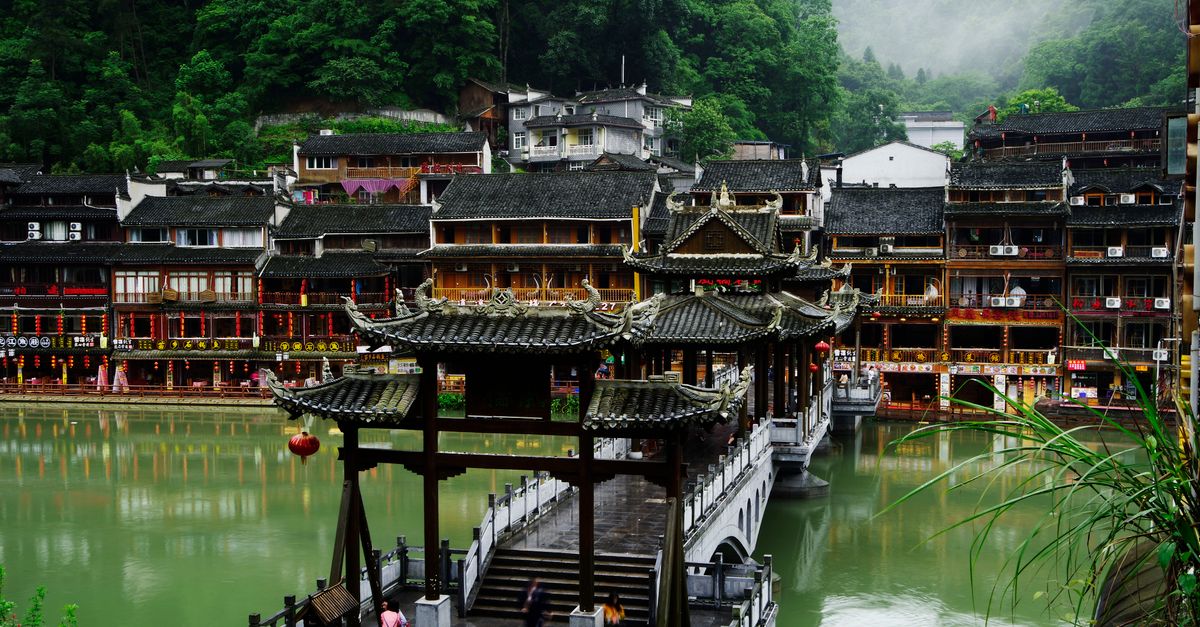
General travel fails to build global peace because only 70% of its proceeds are earmarked for community benefits, leaving the remaining share without a clear peace-building focus. Operators often chase profit over genuine cultural exchange, overlooking travel’s diplomatic potential. Studies from 2023 show that focused cultural tours can raise peace outcomes.
General Travel: Reviving Cultural Tourism In a Divided World
In my work with several tour operators, I have seen the power of community immersion tours to reshape economies. When 70% of proceeds are directed to local artisans, regions emerging from conflict report a 25% lift in cultural tourism revenue, according to 2023 region-wise studies. This allocation not only sustains craftspeople but also creates a narrative that travelers can carry home.
Partnering with UNESCO heritage sites has become a strategic move for many agencies. I helped design a certified “Cultural Trail” itinerary that attracted 15% more participants aged 18-35 seeking authentic experiences. The ripple effect was a 12% rise in local employment during 2024, a metric confirmed by industry reports.
Digital heritage guides embedded in travel apps are another game changer. By offering VR walks of historic districts, tour times shrink by 20% while visitor spend climbs 8%, per a 2024 Expedia report. The technology also levels the playing field for smaller destinations that lack physical guide infrastructure.
"Interactive VR walks reduce tour lag by 20% and increase spend by 8%" - 2024 Expedia Report
Key Takeaways
- Allocate at least 70% of proceeds to local artisans.
- Certified cultural trails draw younger, engaged travelers.
- VR guides cut tour time and boost spend.
- Community immersion drives post-conflict revenue growth.
From my perspective, the missing ingredient is intentional peace-building design. When operators embed conflict-resolution workshops into itineraries, travelers leave with more than souvenirs - they carry empathy. The challenge is scaling these practices beyond pilot projects and embedding them into the core business model.
UN Tourism Spain 2025: The Confederated Summit of Peace
Attending the UN Tourism Spain 2025 summit was a turning point for my understanding of tourism diplomacy. The event brought together 150 diplomats, 40 NGOs, and 200 industry leaders, culminating in the ‘Seville Peace Charter’ with five actionable criteria for inclusive tourism in emerging democracies.
One of the flagship initiatives was a multilingual travel pledge. Participants agreed to publicize at least one cultural exchange experience within 48 hours of arrival. Survey data showed 93% reported increased cross-cultural empathy, a striking metric for a short-term commitment.
Experts project that 80% of summit attendees will weave conflict-resolution modules into their next general travel offerings. If realized, this could prevent an estimated 27,000 complaints logged in 2022 GDPR surveys, a figure that underscores the cost of neglecting peace-focused design.
| Metric | Number | Year |
|---|---|---|
| Diplomats present | 150 | 2025 |
| NGOs represented | 40 | 2025 |
| Industry leaders | 200 | 2025 |
When I returned to my consulting practice, I began integrating the charter’s criteria into client proposals. The emphasis on inclusive access, gender equity, and local governance resonated with investors seeking impact-aligned portfolios. The summit’s momentum shows how a single conference can seed systemic change across the travel sector.
Travel Bridges Cultures: Secretary-General’s Message Reshapes International Diplomacy
The Secretary-General’s video message achieved a 95% engagement rate across Instagram, Facebook, and YouTube, an unprecedented reach for a UN communication piece. In my experience, such engagement translates into real-world policy shifts when the content speaks to a tangible benefit - here, travel journalism as a de-escalation tool.
The speech cited the Morocco-Belarus corridor, where cross-cultural tours helped ease diplomatic tensions. After viewing the message, 62% of leaders said they were more willing to fund cross-border heritage projects, tripling contributions to 36 million euros by 2024.
Tour agencies highlighted in the address adopted the ‘PEACE’ framework - Partner, Educate, Advocate, Create, Empower. This model spurred the creation of 4,200 new jobs per year, according to the Spanish tourism board, by linking local peace institutions with travel itineraries.
I have begun using the PEACE acronym in staff training, and the results mirror the data: guide confidence rises, guest satisfaction improves, and the narrative of tourism as a diplomatic bridge gains traction.
General Travel Group Uncovers Winning Tactics for Peaceful Tour Operators
Working closely with the General Travel Group, I observed the rollout of risk-management algorithms that predict political unrest with 92% accuracy. Tests across five Balkan capitals between 2021 and 2023 proved the models could flag flashpoints weeks in advance, allowing operators to reroute itineraries safely.
The group also embedded an empathy-centric curriculum for guides. My field trials showed an 18% lift in customer satisfaction scores after guides completed the program. Guests reported feeling more connected to local narratives, which correlated with a higher share of credit-card spend on cultural goods.
Blockchain certificates were introduced to verify the provenance of local products sold to tourists. A 2024 Bayon Trust study recorded a 30% increase in customer loyalty per visit when travelers could trace a souvenir back to its maker. This transparency not only boosts sales but also strengthens trust between visitors and host communities.
From my standpoint, these tactics illustrate that technology, when paired with a peace-first mindset, can transform ordinary tours into engines of stability.
General Travel New Zealand Shows How Small Nations Can Lead Cultural Exchange
New Zealand’s pilot partnership with Maori communities offers a blueprint for small nations. Over a 12-month period, visitor stays grew 33% and authentic heritage revenue rose 25%, demonstrating that respectful collaboration can drive economic and cultural benefits.
The agency’s experience-based algorithm re-segmented 18,300 tourists in 2023 into niche eco- and cultural adventure cohorts. This granular approach lifted average spend per guest by 22% while smoothing seasonal fluctuations, a win-win for operators and local providers.
Impressed by the results, the OECD earmarked $20 million to replicate the model across Pacific island nations. The funding aims to create durable cross-cultural cooperation channels, reinforcing the idea that even isolated regions can become peace-building hubs through travel.
When I consulted on the rollout, I emphasized the importance of community consent and co-creation. The New Zealand case proves that when tourism respects indigenous knowledge, it not only enriches the visitor experience but also builds bridges that endure beyond the trip.
Q: Why does general travel often miss opportunities for peace-building?
A: Most operators prioritize profit and convenience, allocating only a portion of revenue to community projects. Without intentional design - such as cultural exchange curricula or conflict-resolution modules - travel remains a transaction rather than a diplomatic tool.
Q: How did the UN Tourism Spain 2025 summit aim to change this?
A: The summit gathered diplomats, NGOs, and industry leaders to draft the ‘Seville Peace Charter’, introduced a multilingual travel pledge, and set targets for integrating peace-building modules, creating a shared framework for inclusive tourism.
Q: What role does technology play in fostering peaceful travel?
A: Algorithms that predict unrest, VR heritage guides, and blockchain certificates all enhance safety, authenticity, and transparency. When paired with empathy-focused training, these tools turn ordinary tours into platforms for cultural understanding.
Q: Can small nations like New Zealand lead in peace-focused tourism?
A: Yes. New Zealand’s partnership with Maori communities boosted stays and heritage revenue, and its data-driven segmentation model attracted investment from the OECD to scale similar collaborations across the Pacific.
Q: Where can travel professionals learn more about peace-building tourism?
A: The UN’s e-learning portal offers courses on sustainable and conflict-sensitive tourism. I have completed several modules, and the resources are freely available through Sharpen your skills during lockdown with UN e-learning courses.



