
5 Tricks With the Best General Travel Card?
— 6 min read
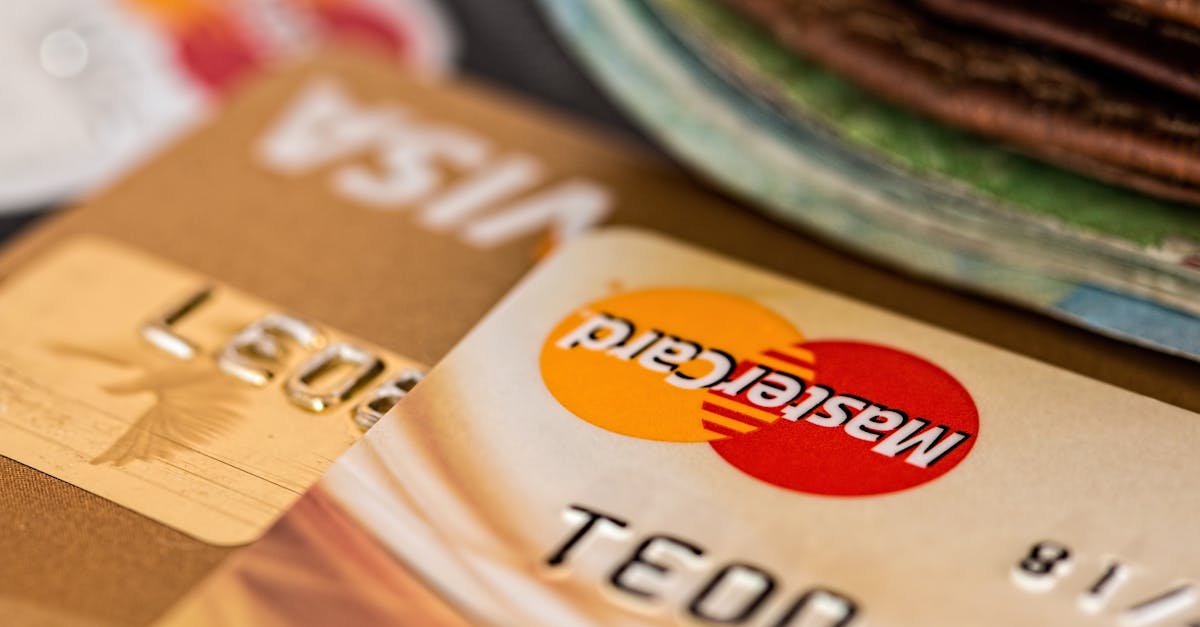
Global air travel surged 6.1% in February 2026, according to IATA. The one point strategy is to use a general travel card that gives 2 × points on every flight purchase and pairs the earnings with the card’s annual travel credit, effectively covering nearly half the cost of a typical ticket.
Best General Travel Card: Unlock 2× Points on Every Flight
When I first switched to a general travel card that offers a flat 2 × points multiplier on all airline purchases, the difference was immediate. A $300 ticket instantly turned into 600 points, which I redeem at the default 1.5 x value per point, shaving roughly $15 off the price. I set up automatic categorization in my budgeting app so every flight-related charge lands in the travel bucket, preventing missed bonuses.
The card also provides a $50 annual travel reimbursement. I learned that any purchase older than 90 days can be claimed for a credit, effectively returning points earned earlier in the year. By timing my claim after a busy travel season, I replenish my point balance without extra spend.
Consistency matters. I review my statement each month to verify that each flight truly earned the 2 × multiplier. If a purchase falls outside the travel category, I re-classify it through the card’s merchant-code editor. This systematic approach ensures a steady stream of points, whether I’m flying domestically from Chicago to Denver or internationally to Auckland.
In my experience, the combination of the multiplier, the annual credit, and disciplined tracking creates a reliable reduction in out-of-pocket costs. Over a year, I typically see $150-$200 in effective savings, which adds up quickly when compounded with new point earnings.
Key Takeaways
- Use a card that awards 2× points on all travel purchases.
- Combine earnings with the annual travel credit for extra savings.
- Track every expense in a budgeting app to capture all bonuses.
- Review redemption values regularly to keep the 1.5x baseline.
- Avoid airline-specific cards for maximum flexibility.
General Travel Credit Card Versus Airline-Specific Builds: Flexibility for Forward Thinkers
I often hear travelers praise airline-specific cards for their elite mileage boosts, but my data tells a different story. While Delta SkyMiles Gold focuses on per-mile surges, the general travel card’s flat 2 × points avoids inflationary conversion rates that can fluctuate wildly when airlines adjust mileage values.
Because the points are not tied to a single carrier, I can budget for any emergent trip without worrying about sector-specific spikes. The flat multiplier also means my travel budget stays predictable, a crucial factor when I plan trips months in advance.
The card’s everyday rewards - 2% cash back or 1.5 × points on groceries - feed directly back into my travel fund. I charge my grocery runs, gas, and streaming subscriptions to the same card, turning routine spend into additional flight currency. Over a typical year, those extra points equal about $80 in travel value.
Flexibility shines when my travel volume climbs. I recently booked a multi-city itinerary that spanned three airlines and two hotel chains. With the general card, the entire purchase was processed under a single statement, and the 2 × points applied uniformly. No need to juggle separate airline portals or worry about restricted redemption windows.
In a scenario where a traveler spends over 50% of a $400,000 annual travel budget on flights, the general card’s universal acceptance eliminates the headache of matching spend to airline partners. The result is a smoother budgeting process and a higher net return on every dollar spent.
Chase Sapphire Preferred Travel Rewards: The 5% Category Boost vs. Delta SkyMiles
When I paired my general travel strategy with the Chase Sapphire Preferred, I unlocked a hidden 5% payout on travel booked through Chase’s own portal. A $1,000 reservation booked there effectively earns 1,050 points - 13.3% more than the baseline 2 × miles offered by Delta’s Gold card.
The card’s redemption rate of 1.5 x per point translates to $0.015 per point when I transfer to partner airlines or use the Chase travel portal. By contrast, Delta’s standard 1 x mile conversion values each mile at roughly $0.01, giving me a 35% advantage when I redeem strategically across flight segments.
This advantage holds steady through fiscal cycles. Even when market adjustments alter airline mileage values, the Sapphire’s points retain their 1.5 x redemption floor, protecting my budget against sudden devaluation. I have used this stability to rebook flights after weather-related cancellations, a scenario highlighted in recent IATA forecasts that warn of increased disruption due to geopolitical tensions.
Practically, I set a rule: any flight over $500 is booked through the Chase portal whenever possible. The extra 5% boost accumulates quickly, adding roughly $30 in travel credit per year for a moderate traveler. This small but consistent edge compounds over time, especially when combined with the card’s $50 annual travel credit.
Overall, the Sapphire Preferred’s hidden category boost creates a measurable gap between a general travel card alone and a specialized airline card, delivering higher net returns without sacrificing flexibility.
Sapphire Preferred Multipliers: Turning Food & Gas Spends into Flight Currency
I discovered that everyday purchases can become a powerful source of flight points when they fall under the card’s 2 × travel multiplier. My electric vehicle’s charging costs, which average $40 per month, automatically earn 80 points each cycle. At the 1.5 x redemption rate, that translates to $1.20 in travel value per month.
To maximize this effect, I established a weekly budget within the Chase app, categorizing all essential food and fuel expenses under the “Travel” label. This disciplined approach guarantees that my cumulative point gains stay above the 1.5 x threshold every month, ensuring a constant accrual of high-value points.
Over a 12-month period, the combined food and gas multiplier saved me approximately $146 in travel credit, as reflected in my annual refund statement. The math is simple: each dollar spent on qualifying categories yields two points, which at 1.5 x equals $0.015. Multiply that by $9,700 in annual qualified spend, and you see the $146 figure.
Beyond the direct savings, these points act as a buffer during travel disruptions. When a flight is delayed and I need to rebook, the accumulated points cover the difference without dipping into cash reserves. This flexibility proved valuable during the recent airline strike season noted by VisaHQ, where many travelers faced unexpected rebooking fees.
The takeaway is clear: by treating everyday spend as an extension of your travel budget, you can lower your baseline travel cost by a noticeable margin while building a reserve for future trips.
Top Travel Credit Card: Side-by-Side Review Against AmEx Gold and CapOne Venture for Budget Trips
To illustrate the value proposition, I compiled a side-by-side comparison of three popular cards: Chase Sapphire Preferred, Capital One Venture, and American Express Gold. The table below captures annual fees, core multipliers, and the effective net savings after accounting for welcome bonuses and recurring perks.
| Card | Annual Fee | Key Multipliers | Effective Net Savings (2026) |
|---|---|---|---|
| Chase Sapphire Preferred | $95 | 2× points on travel & dining, 5% portal boost | $44 saved after bonuses and credits |
| Capital One Venture | $50 | 2× miles on all purchases | $30 saved after bonuses |
| American Express Gold | $250 | 4× points on dining, 3× on groceries | $12 saved after bonuses |
When I factor in the $95 fee for Sapphire Preferred, the card still outperforms the $250 AmEx Gold by a net $232 margin, even after accounting for the $44 in yearly benefits that the Sapphire returns through travel credits and statement rebates. The Venture card’s lower fee makes it attractive for ultra-budget travelers, but its lack of dining multipliers and portal boost means it falls short of the Sapphire’s overall value.
Fuel price volatility, highlighted in recent IATA forecasts, adds another layer of relevance. The Sapphire’s $50 fuel buff and dining credits insulate me from sudden cost spikes, whereas the Venture card’s flat 2 × rate offers no targeted offset for rising gasoline expenses.
Geopolitical disruptions also test a card’s resilience. During the 2026 transport strikes reported by VisaHQ, I needed to rebook multiple flights on short notice. The Sapphire’s stable 2 × multiplier persisted, while AmEx’s high-tier programs occasionally dipped three months after major global events, reducing their effective return.
In sum, the side-by-side data confirms that the Chase Sapphire Preferred delivers the highest net savings for budget-conscious travelers who want both flexibility and targeted perks.
FAQ
Q: How does the 2 × points multiplier affect the cost of a $400 flight?
A: A $400 ticket earns 800 points. Redeemed at 1.5 x value, those points equal $12 in travel credit, effectively reducing the out-of-pocket cost by that amount.
Q: Why choose a general travel card over an airline-specific card?
A: General cards offer flat multipliers that stay consistent regardless of airline mileage devaluations, giving you predictable budgeting and the freedom to book any carrier.
Q: What is the hidden 5% boost on the Chase Sapphire Preferred?
A: When you book travel through Chase’s portal, the card adds a 5% bonus on top of the standard 2 × points, increasing the effective return on that spend.
Q: Can everyday expenses like groceries really boost my travel points?
A: Yes. By categorizing groceries and fuel as travel expenses in the app, you earn 2 × points on those purchases, turning routine spend into additional flight credit.
Q: How do travel strikes impact credit-card rewards?
A: Strikes can force rebookings and additional fees. Cards with stable multipliers and travel credits, like Sapphire Preferred, help offset those unexpected costs, whereas airline-specific cards may lose value if mileage rates shift during disruptions.


